As homeowners increasingly prioritize eco-friendly and sustainability, sustainable bamboo flooring is emerging as a top contender in the world of home design.
Known for its rapid growth and renewability, bamboo offers a compelling combination of sustainability, affordability, durability, and aesthetic appeal. This essay explores why consumers should consider sustainable bamboo flooring for their homes, with a focus on its comprehensive sustainability features, cost-effectiveness compared to other natural woods, and impressive durability.
Bamboo’s Sustainability: A Green Powerhouse
Bamboo stands out as one of the most sustainable materials available for flooring due to its unique biological and environmental characteristics. Unlike traditional hardwoods, which can take 20–50 years to mature, bamboo is a grass that reaches maturity in just 3–5 years, making it a rapidly renewable resource. This fast growth cycle allows for frequent harvesting without depleting the plant’s root system, ensuring continuous regeneration without the need for replanting. This regenerative quality reduces the environmental impact of deforestation – a significant concern with slower-growing hardwoods like oak or maple.
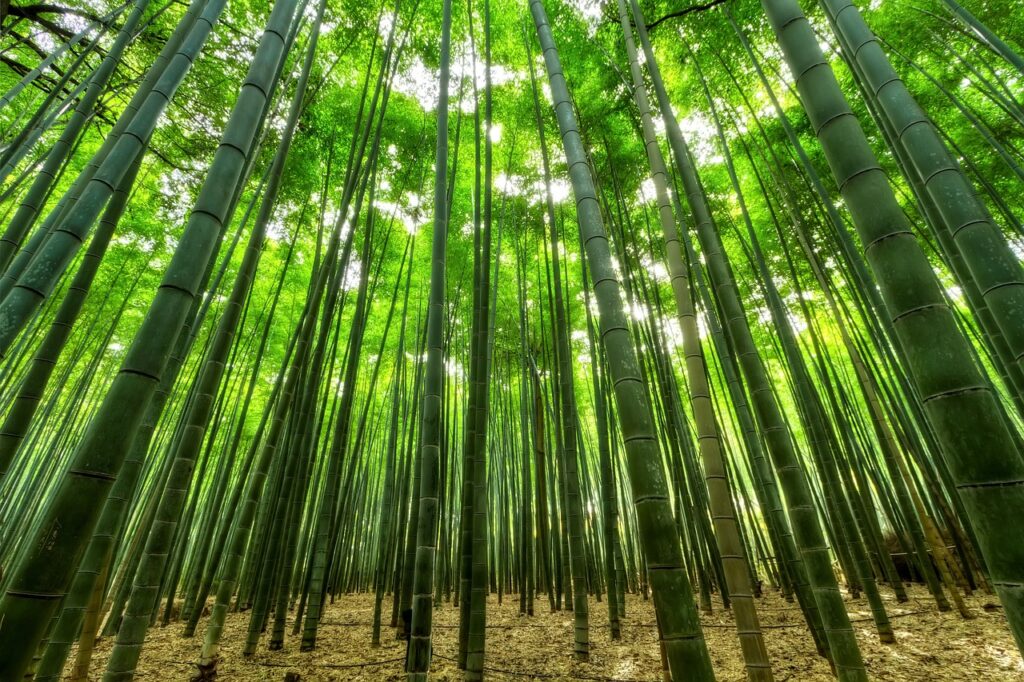
Beyond its rapid growth, bamboo boasts a host of sustainability features that make it an eco-conscious choice. Bamboo forests absorb carbon dioxide at a high rate, with some species sequestering up to 12 tons of CO2 per hectare annually, contributing to climate change mitigation. Bamboo cultivation also requires minimal pesticides and fertilizers, as the plant is naturally pest-resistant, reducing chemical runoff into waterways. Additionally, bamboo’s extensive root systems help prevent soil erosion, stabilize landscapes, and improve soil health, making it a boon for ecosystems. Many bamboo flooring manufacturers adhere to sustainable harvesting practices, ensuring that only mature stalks are cut and that forests are managed responsibly. Certifications like those from the Forest Stewardship Council (FSC) can guide consumers toward ethically sourced bamboo products.
Bamboo’s sustainability extends to its production process. Manufacturing sustainable bamboo flooring typically generates less waste than traditional hardwoods, as the plant’s fibrous structure allows for efficient processing. Some manufacturers even use low-VOC (volatile organic compound) adhesives and finishes, minimizing indoor air pollution and enhancing the health of your home environment. By choosing bamboo, consumers support a material that aligns with circular economy principles, prioritizing renewability and minimal environmental harm.
Sustainable Bamboo Flooring Pricing: Affordable Elegance
When it comes to cost, sustainable bamboo flooring offers a competitive edge over many natural hardwoods. On average, sustainable bamboo flooring ranges from $2 to $8 per square foot, depending on quality, brand, and installation method. In contrast, traditional hardwoods like oak, maple, or cherry typically cost between $5 and $12 per square foot, with exotic woods like teak or mahogany pushing prices even higher. Bamboo’s affordability stems from its rapid growth and efficient production, which reduce sourcing and manufacturing costs. For budget-conscious homeowners, bamboo delivers the look and feel of premium wood at a fraction of the price.
Here’s a website focusing on green building materials and its page for bamboo flooring.
Installation costs for sustainable bamboo flooring is also comparable to or lower than those for hardwoods. Bamboo is available in various formats, including solid, engineered, and click-lock planks, offering flexibility for DIY enthusiasts or professional installations. While high-end bamboo with advanced finishes or strand-woven construction may approach the cost of mid-range hardwoods, it remains a cost-effective option for those seeking sustainability without breaking the bank.
Sustainable Bamboo Flooring is Durable and Built to Last
Sustainable Bamboo flooring is not only sustainable and affordable but also remarkably durable, making it a practical choice for busy households. Strand-woven bamboo, a popular type, is created by compressing bamboo fibers under high pressure, resulting in a material that is often two to three times harder than traditional hardwoods like red oak. This durability translates to excellent resistance to dents, scratches, and wear, ideal for homes with pets, children, or high foot traffic.
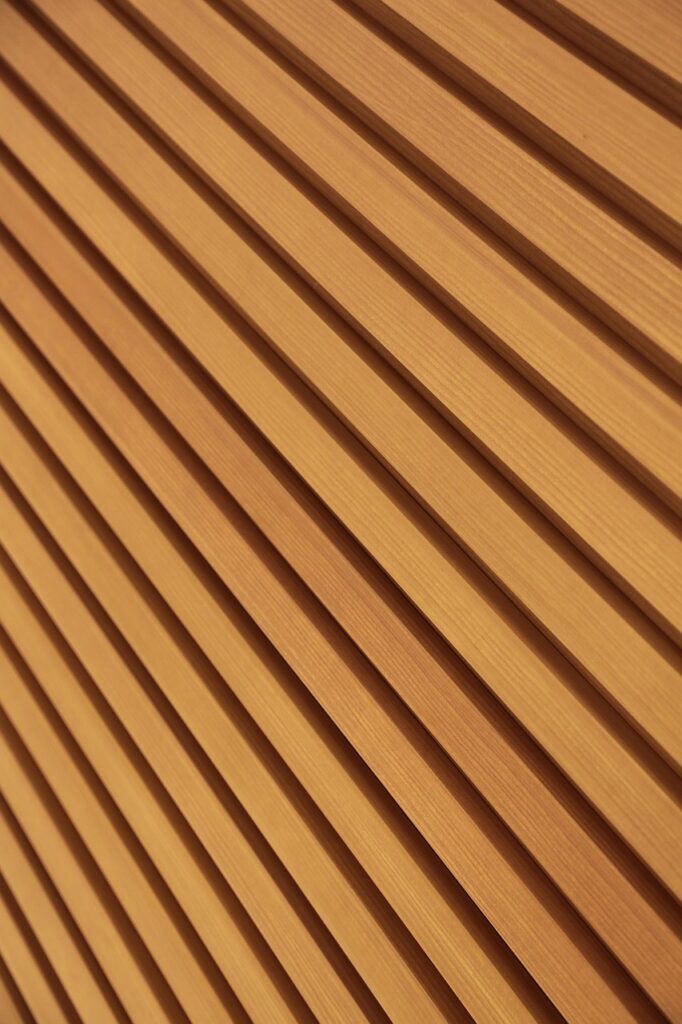
With proper care, sustainable bamboo flooring can last 20–50 years, rivaling the lifespan of premium hardwoods. Regular maintenance, such as sweeping, using a damp mop, and avoiding excessive moisture, ensures its longevity. Many bamboo floors come with protective finishes, such as aluminum oxide coatings, that enhance resistance to fading and staining. Unlike carpets, which trap allergens, or tiles, which can crack, bamboo offers a resilient, low-maintenance surface that retains its beauty over time. For added sustainability, bamboo flooring can often be refinished, extending its life and reducing the need for replacement.
Why Homeowners Should Choose Sustainable Bamboo Flooring
Sustainable Bamboo flooring is a compelling choice for environmentally conscious homeowners who refuse to compromise on style, durability, or affordability. Its sustainability credentials—rapid renewability, carbon sequestration, minimal chemical use, and responsible sourcing—set it apart as a leader in eco-friendly materials. Coupled with its cost-effectiveness compared to traditional hardwoods and its robust durability, sustainable bamboo flooring offers a practical and aesthetically pleasing solution for modern homes. By choosing bamboo, consumers invest in a flooring option that not only enhances their living spaces but also contributes to a healthier planet. As sustainability becomes a cornerstone of home design, bamboo flooring stands as a shining example of how beauty and environmental responsibility can coexist.
If you’d like to learn more about how you can live a greener lifestyle, grab my guide here and start today.