
The housing landscape is evolving, driven by a confluence of factors: the escalating cost of living, the desire for multi-generational cohabitation, and a growing emphasis on sustainable homes and practices.
Amidst this shift, Auxiliary Dwelling Units (ADUs) have emerged as a powerful, versatile solution. Once relegated to the fringes as “granny flats” or garage conversions, modern ADUs are now at the forefront of eco-conscious construction, offering a blueprint for resilient, energy-efficient, and financially savvy living.
An ADU is a secondary, independent housing unit located on the same property as a primary single-family home. Their rise in popularity isn’t just about increasing housing density; it’s intertwined with a commitment to environmental stewardship and long-term durability. These compact dwellings encourage a smaller footprint, but their true sustainability lies in the thoughtful design and construction methods.
One of the most significant contributions of ADUs to green living is their embrace of sustainable homes and building materials. Builders are opting for materials that minimize environmental impact throughout their lifecycle. This includes using reclaimed wood, which diverts waste from landfills and reduces demand for new timber. And there’s recycled steel, a durable and recyclable material.
(if you like the idea of sustainable homes, have a look at my website section dedicated to sustainable and green living ideas here)
Sustainable Homes and Materials to Use
Bamboo and cork, renewable resources, are popular choices for flooring and finishes, offering both aesthetic appeal and environmental benefits. Even minor details, like low-VOC (volatile organic compound) paints and sealants, contribute to healthier indoor air quality, a crucial aspect of sustainable living often overlooked.
For insulation, sustainable homes use options like recycled denim, cellulose (made from recycled paper), or even sheep’s wool provide superior performance with a lower carbon footprint than traditional materials. Foundations can be made more permeable with recycled concrete or permeable pavers, reducing stormwater runoff and replenishing groundwater.
Beyond materials, ADU sustainable homes are the epitome of energy efficiency. Their smaller size requires less energy to heat and cool, but designers go further. High-performance insulation is paramount, often exceeding standard building codes for walls, roofs, and floors, creating a tightly sealed envelope that minimizes thermal bridging.
Energy-efficient windows, double or triple-paned with low-emissivity (low-E) coatings, reduce heat transfer. LED lighting is standard, cutting electricity consumption. Heating and cooling are often handled by efficient mini-split heat pump systems, which can both heat and cool a space using minimal electricity.
Many ADU designs come with passive solar principles in mind, strategically placed windows to maximize natural light and warmth in winter while minimizing heat gain in summer. Natural ventilation strategies, such as cross-ventilation, further reduce reliance on mechanical systems. The compact nature of ADUs also makes them ideal candidates for rooftop solar panel installations. This allows homeowners to generate their own clean energy and even achieve net-zero energy consumption.

Constructing ADU Sustainable Homes
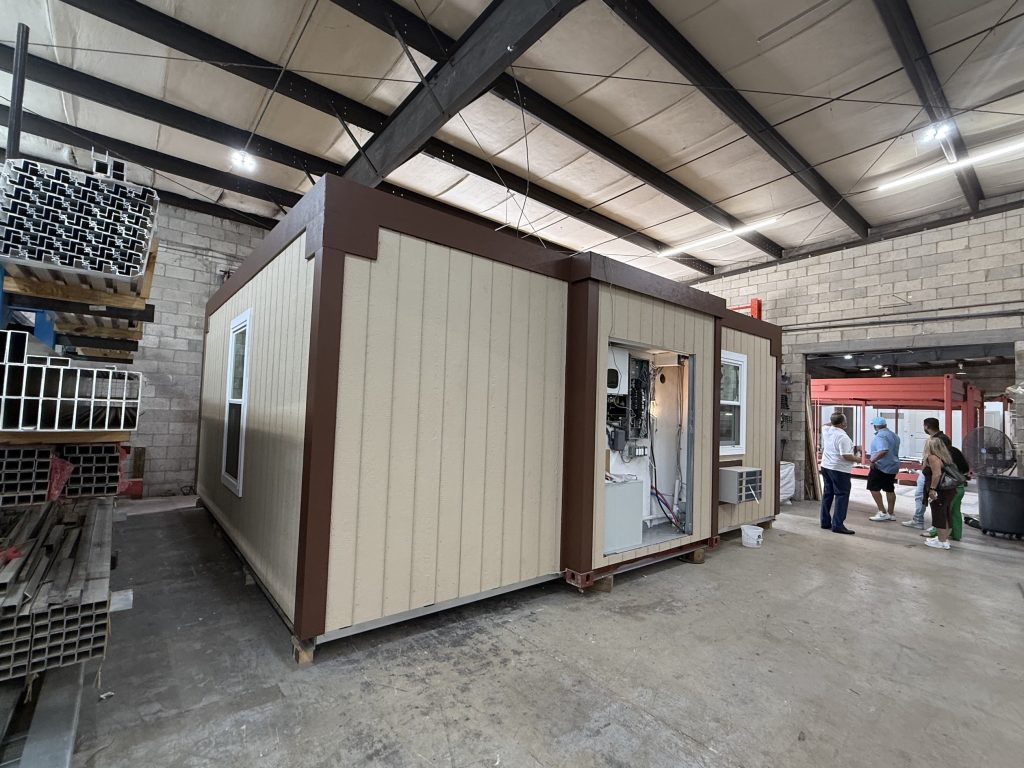
The speed of construction, through prefabrication and modular building techniques, also contributes to ADU sustainable homes. When units are built in a factory setting, wxaste is reduced, as materials can be cut precisely and scraps recycled more efficiently.
The controlled environment also leads to higher quality control and fewer weather-related delays, resulting in a more robust and energy-efficient structure. On-site construction time is shortened, reducing noise pollution, site disruption, and the carbon footprint associated with repeated transportation of materials and workers. This faster turnaround means the unit can become occupied sooner, providing quicker housing solutions or rental income.
Builders prioritize robust construction techniques and materials chosen for their longevity and ability to withstand local climate challenges. That means fire-resistant siding in dry areas or hurricane-rated windows in coastal regions.
The Financial Side of Sustainable Homes
From a financial perspective, the benefits of adding an ADU are compelling. For homeowners, an ADU can generate significant passive rental income, helping to offset mortgage payments or provide a new revenue stream. It also increases property value, as a versatile, independent living space is a desirable amenity.
The energy efficiency of sustainable homes translates directly into lower utility bills for occupants. Beyond personal financial gains, ADUs contribute to broader housing affordability by providing more diverse and accessible living options within existing communities.
Some regions even offer tax incentives or grants for building energy-efficient or affordable ADUs, further enhancing their financial appeal.
Auxiliary Dwelling Units represent far more than just a trend in housing; they’re a testament to how innovative design and construction can align with environmental responsibility and economic benefit.
By championing green materials, prioritizing energy efficiency, embracing efficient construction methods, and focusing on long-term resiliency, ADUs are paving the way for a more sustainable homes that are more adaptable, and better-made future for our communities.
And if you have extra land on your Palm Beach Country property, I have a great ADU Modular Solar sustainable homes builder you’ll want to see. Call me.


